OOTDly
Mauve
The color of your clothes came from the waste of gas lighting.
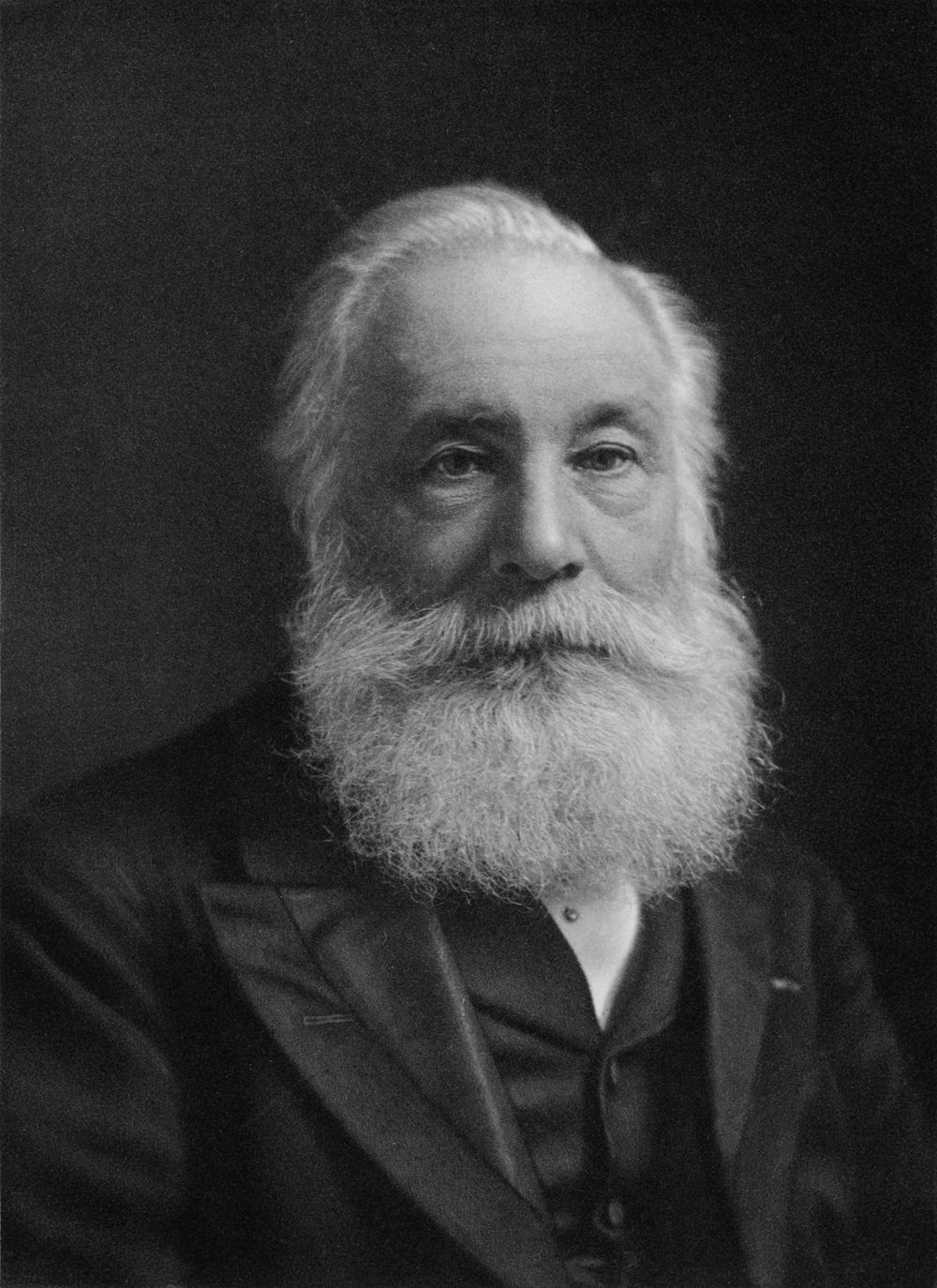
Easter 1856. William Perkin had just turned 18 and was trying to synthesize quinine against malaria, in a makeshift laboratory in the attic of his parents’ house in London.
It went wrong. A black residue was left in the flask. When he washed it out with alcohol, an intense purple appeared that no plant and no mollusk could give. The raw material was coal tar: the leftovers of the gasworks that lit the city.
He applied for the patent on August 26, 1856, aged 18, and set up a factory with his father and brother. By December 1857 he was already supplying the color to silk dyers.
And he sold it under a borrowed name: “Tyrian purple”, the color of emperors, which was extracted from mollusks and cost more than gold — ten thousand creatures for one gram. The name “mauve” came later, and from France, after the flower.
In August 1859 Punch magazine published “The Mauve Measles”. It described the fashion as an epidemic — it starts with the ribbons and ends up covering the whole person.
What followed: magenta, the aniline blues, synthetic alizarin in 1869. The whole industrial chemistry of color, and later the pharmaceutical industry, came out of it.
He was looking for a medicine and found a color. The color paid for the chemistry that ended up giving us the medicines.