OOTDly
The bikini
It was born in Paris and banned across half of Europe. Brazil made it its own, then cut it smaller.
On 5 July 1946, at the Molitor pool in Paris, Louis Réard unveiled a two-piece so small that no model would wear it; a cabaret dancer, Micheline Bernardini, did. He named it after the atoll where the United States had just tested an atomic bomb: Bikini.
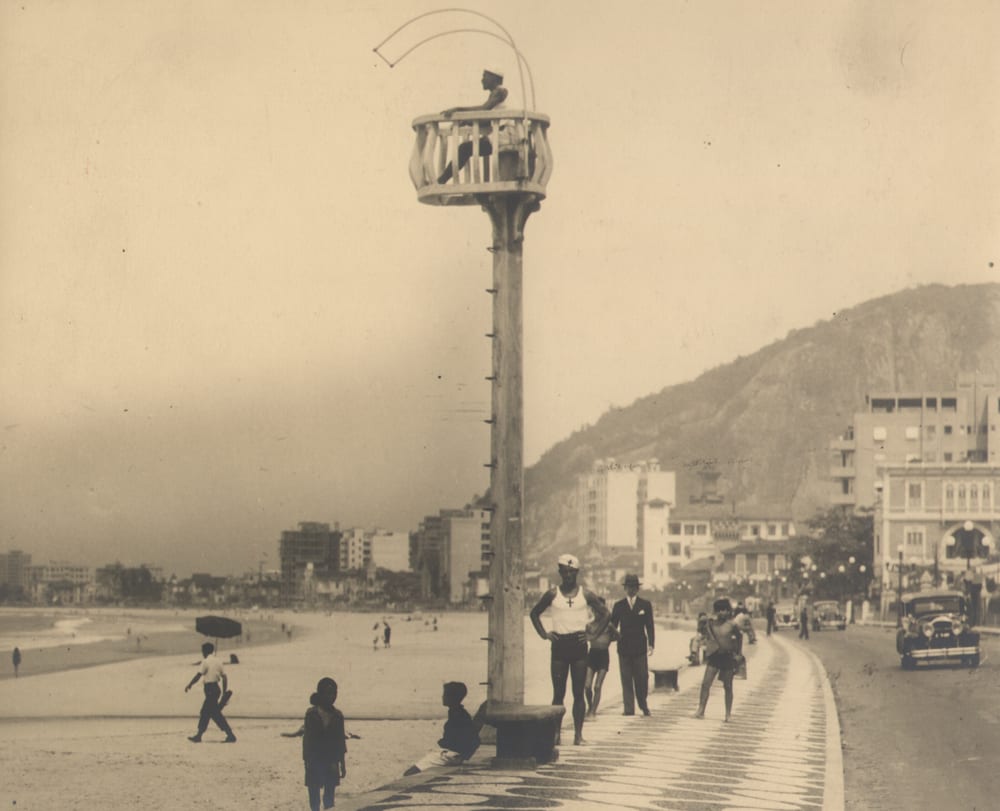
Spain, Italy and Portugal banned it from their beaches, and the Vatican called it a sin. In Brazil the story goes that the first one was seen on a Rio beach in 1948, and that people stopped to stare. Nobody banned it there.
In 1971 the actress Leila Diniz let herself be photographed in Ipanema, pregnant and in a bikini. The picture went around the country: a woman with her belly out, in the middle of a dictatorship, asking nobody’s permission.
In 1972 David Azulay sewed a bikini for his girlfriend and founded Blue Man, in Rio. Two years later the model Rose Di Primo, the face of the label, walked onto Ipanema beach in something even smaller: the tanga, the thong bikini. Some say she invented it; what is certain is that it stayed in Rio.
In the eighties the women of Rio rolled up the sides of their bikinis to get less fabric and more skin; from that came the “asa-delta” and then the “fio dental”, the dental-floss bikini. Brazil was no longer copying Paris: it was exporting.
In 2026 a bill proposed declaring the tie-side bikini intangible cultural heritage of Rio de Janeiro. Eighty years after Molitor, the piece a French engineer invented wants to be, by law, a Rio thing.