OOTDly
The paper dress
In 1966, a napkin maker became a fashion designer by accident.
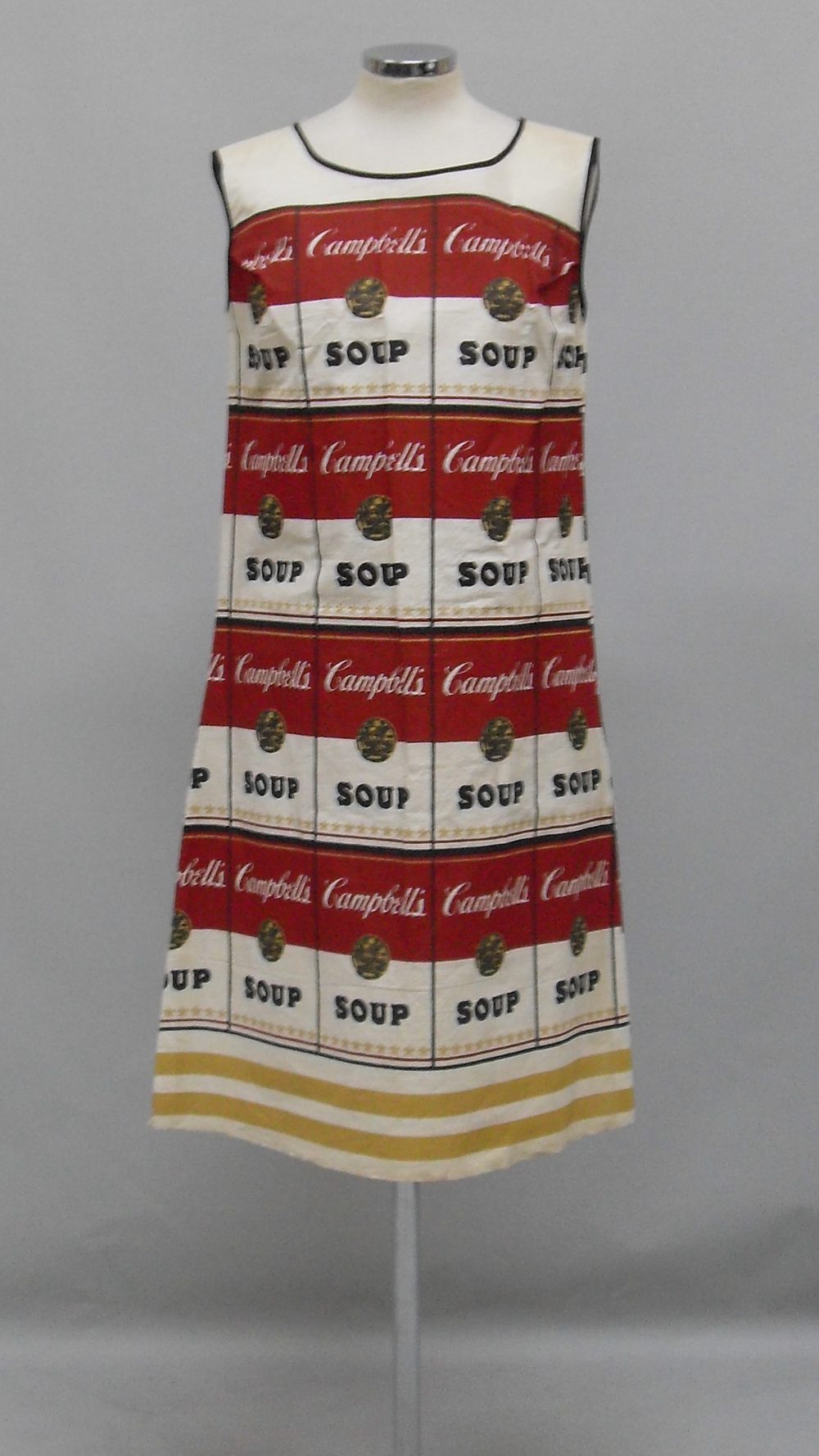
Scott Paper was launching a line of coloured paper. To get noticed, it ran the “Paper Caper”: for $1.25 and a proof of purchase, it mailed you a paper dress. Red bandana print or black-and-white op art.
In eight months, half a million dresses, according to Time magazine. Scott ended the promotion by pointing out that it was still a paper company and had no plans to become a fashion designer.
It wasn’t even just paper: Dura-Weve, 93% cellulose and 7% rayon. It came flame-proofed — until it was washed. The label warned that after water it was dangerously flammable.
It became a craze. Mars, a hosiery maker in Asheville, was selling 80,000 paper dresses a week. A vice-president told Life magazine in 1966 that within five years 75% of the country would be wearing disposable clothes.
And the Souper Dress, the one with the soup cans, isn’t by Warhol. Campbell’s made it itself: one dollar and two soup labels. The Met states in no uncertain terms that it is not his design.
It was over by 1968: they were stiff, they tore, they faded. Wear-once-and-throw-away clothing didn’t catch on. It caught on sixty years later, and not in paper.