OOTDly
Chita
The cloth that is now a symbol of Brazil was illegal to make in Brazil for 23 years.
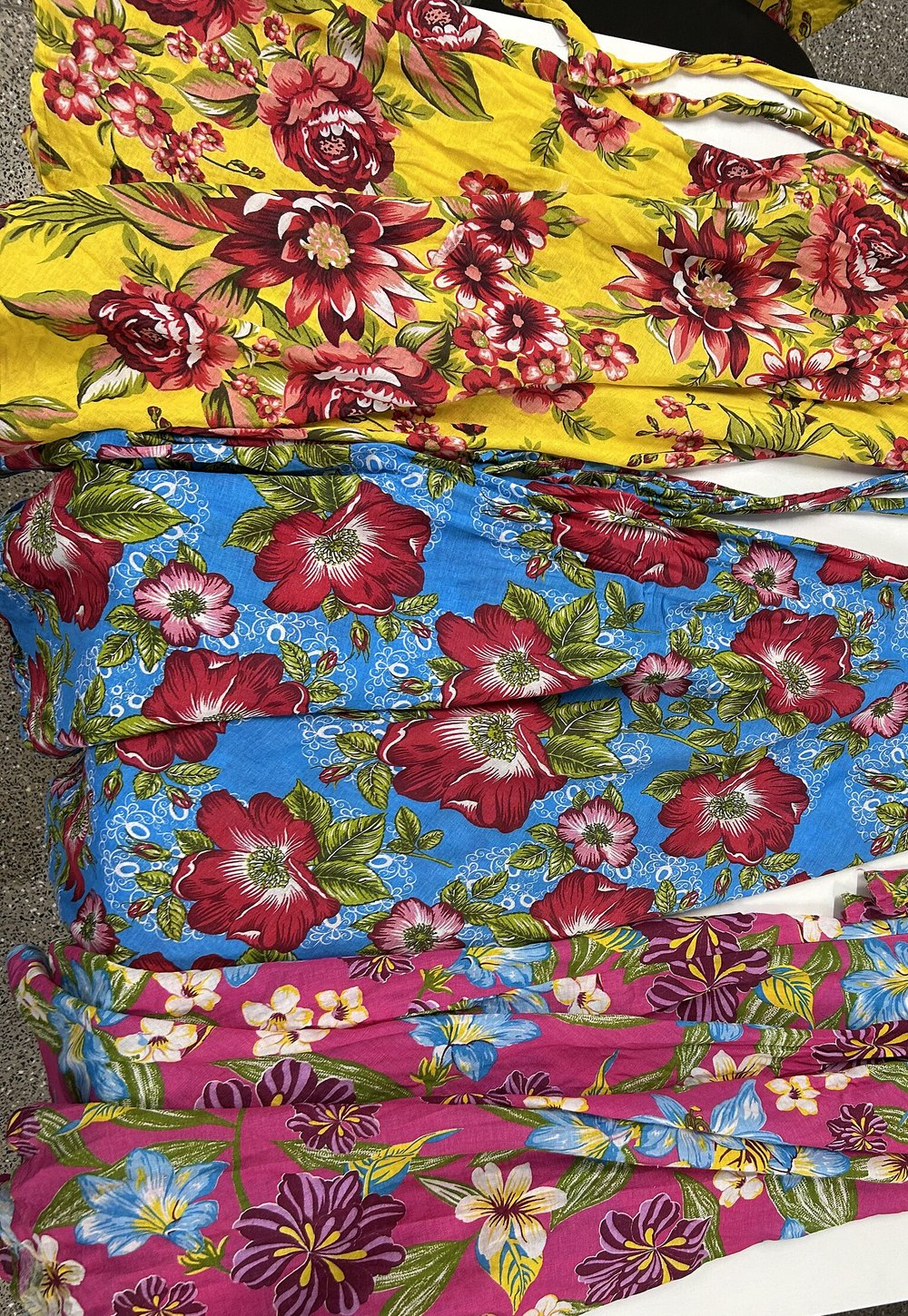
The word comes from the Hindi “chint”, a spot, and the cloth comes from India too: a cotton painted and printed with dyes that do not run. Europe went mad for it. France and England even banned it by law.
On 5 January 1785, Queen Maria I of Portugal ordered the textile factories and looms of Brazil to be closed. The decree lists what was forbidden, and there it is by name: “Chitas”. Only coarse cotton was spared, the kind used to clothe enslaved people and to make sacks.
The business lay elsewhere. According to the historian Jorge Pedreira, the chitas printed near Lisbon were already being exported to Brazil in 1777.
The ban lasted 23 years. On 1 April 1808, with the Portuguese court installed in Rio de Janeiro, the prince regent revoked it and allowed factories to open. By the 1820s Rio already had a Fábrica de Chitas, in what is now Saens Peña square.
It was cheap because its base is a plain cotton, and so it was the cloth of those who could afford no other. Chitão, the one with the enormous flowers, is far more recent: according to the authors of the book “Que Chita Bacana”, the name appears in the 1950s.
Today it dresses the June festivals, bumba meu boi and maracatu. In 2005 an exhibition in São Paulo put it on the catwalk with eleven designers, and in 2026 Brazil’s post office gave it a set of stamps.