OOTDly
Melissa
A factory that made covers for wine demijohns ended up making shoes with Zaha Hadid.
In 1971, the brothers Alexandre and Pedro Grendene opened a factory in Farroupilha, in Rio Grande do Sul, making plastic mesh for the wine demijohns of the Serra Gaúcha, which until then had been wrapped in wicker. Five years later they were making soles and heels.
In 1979, Pedro Grendene noticed the strap sandals worn by fishermen on the French Riviera and made them in plastic. He called it the Melissa Aranha. According to the brand, it appeared on Sônia Braga’s feet in “Dancin’ Days”, the TV Globo telenovela that ended in January of that year.
In 1983 it began commissioning designs from runway designers. The first were Jean-Paul Gaultier, Thierry Mugler, Jacqueline Jacobson and Elisabeth de Seneville. In 1984 came the Melissinha, for girls.
In 1996 Grendene repositioned the brand, with Claudia Schiffer as its face. In 2002 it showed for the first time at São Paulo Fashion Week.
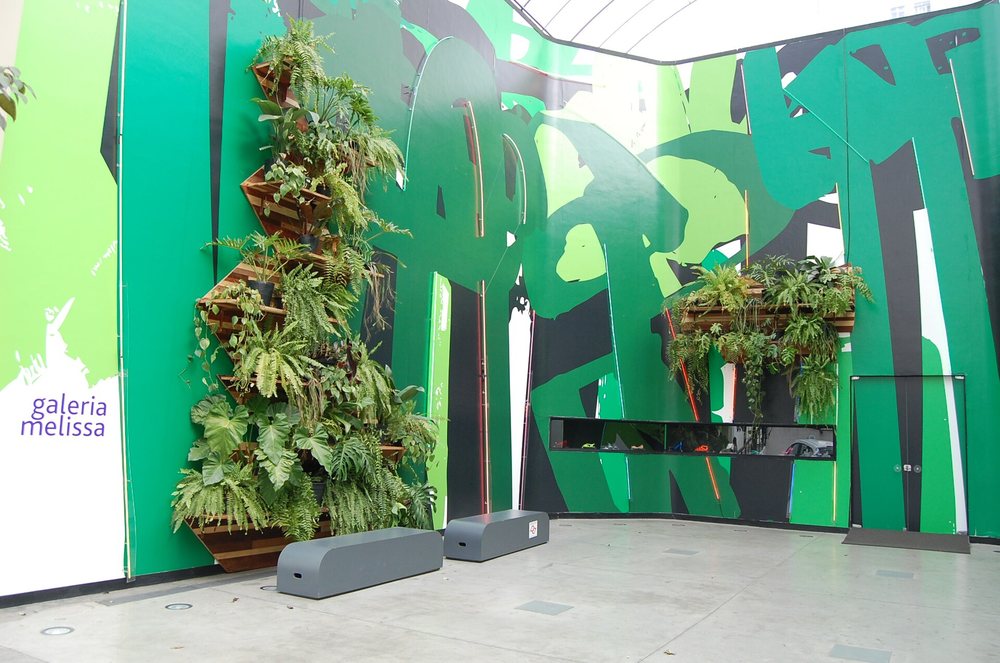
Since then it has worked with the Campana brothers (2004), with Vivienne Westwood and Zaha Hadid (2008) and with Karl Lagerfeld (2013). In 2005 it opened the Galeria Melissa on Rua Oscar Freire in São Paulo; New York (2012) and London (2014) followed. In 2010, two of its sandals entered the collection of the Design Museum in London.
The material has a name of its own, Melflex, a PVC with an exclusive formula and a tutti-frutti scent. The company says it is one hundred percent recyclable and collects used pairs in its shops.