OOTDly
Paul Poiret
He sold the idea that he had freed women from the corset, and then launched the skirt that made it impossible to walk.
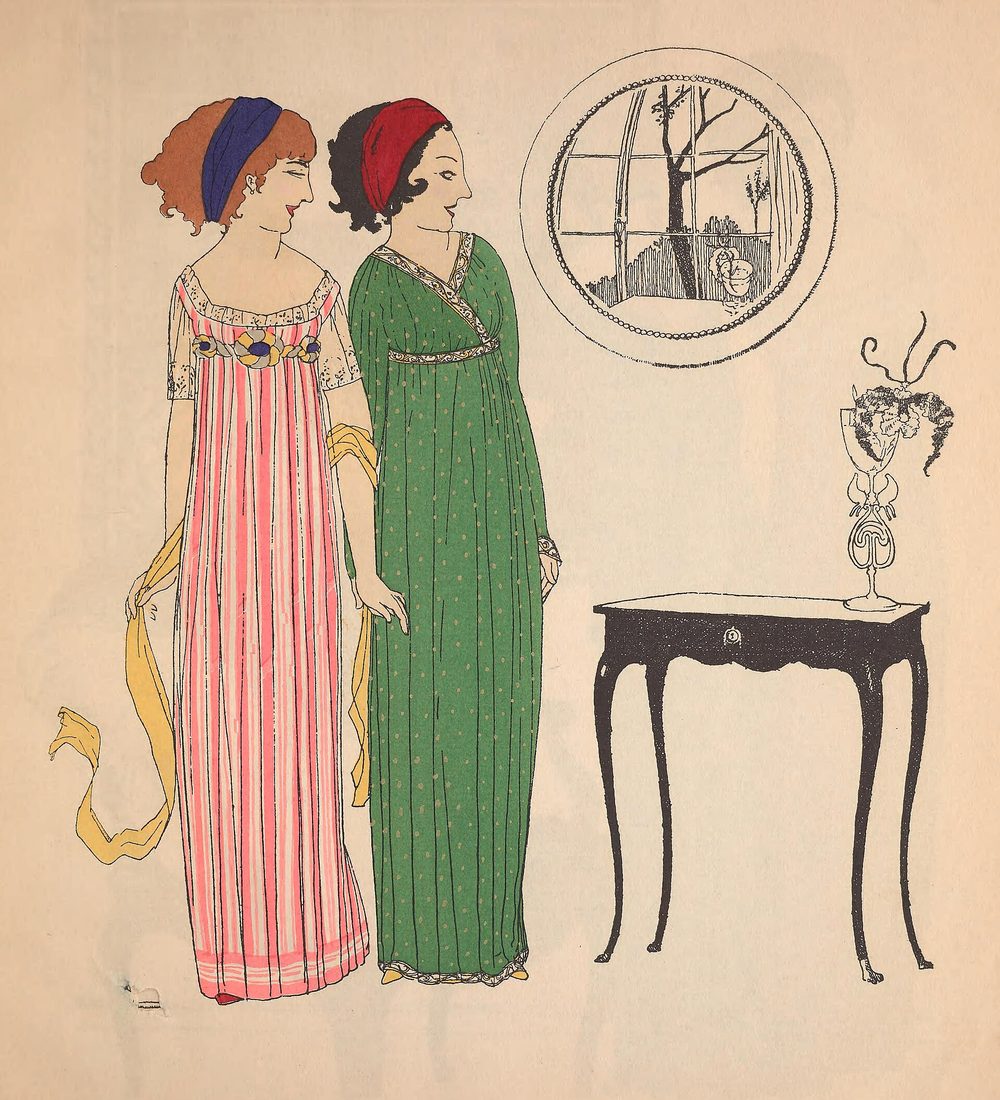
Paul Poiret, Paris. On 24 June 1911 he threw the Thousand and Second Night party: 300 guests in costume at his home, and he came as a sultan.
In his memoirs, from 1930, he says his wife, Denise, waited for the guests inside a golden cage, surrounded by ladies singing Persian arias. The source for that scene is him. The museum that now holds his work doesn’t even mention it.
The line everyone repeats is that he abolished the corset. In 1906 the promotional material for his own collection still shows the corset underneath, and other houses were already loosening the waist before him.
And the corset didn’t disappear: it was replaced by the bra and the girdle. One garment was swapped for two.
In 1911 he launches the “jupe à l’entrave”, the hobble skirt: so narrow at the bottom that it shortened your stride. The house that sold freedom put out the garment that most restricted walking all century.
He wrote it himself: “I freed the bust, but I shackled the legs.”
His couture house closed in 1929. He died in Paris on 30 April 1944, ruined and forgotten.